
Dancing in the Dark
Iran and the USA are "bustin' some moves" in the Middle East

The bongos of war are beating all over the Middle East. Again.
On Friday 1st February, US Forces launched something like 85 bomb and/or missile strikes against targets across Syria and Iraq in retaliation for the attack on a US military base in Jordan (known as ‘Tower 22”, somewhat cryptically) by Iranian-backed Iraqi guerillas on 28th January last which resulted in the deaths of 3 American service personnel and injuries to many more.
The US promised a swift response and, on 1st February, they delivered it. According to reports, B1 bombers were drafted in to drop their wrath on the luckless targets.
The Americans claim that the Tower 22 was carried out by a group known as “Kataib Hezbollah” It is regarded as the most powerful armed faction in the ‘Islamic Resistance in Iraq’, an umbrella group of hardcore Shi'ite armed groups that have claimed more than 150 attacks on U.S. forces since the Gaza war began.
Given the number of US bases in the region, this figure is plausible. US military bases are scattered right across the Middle East like Lego bricks, as illustrated below:
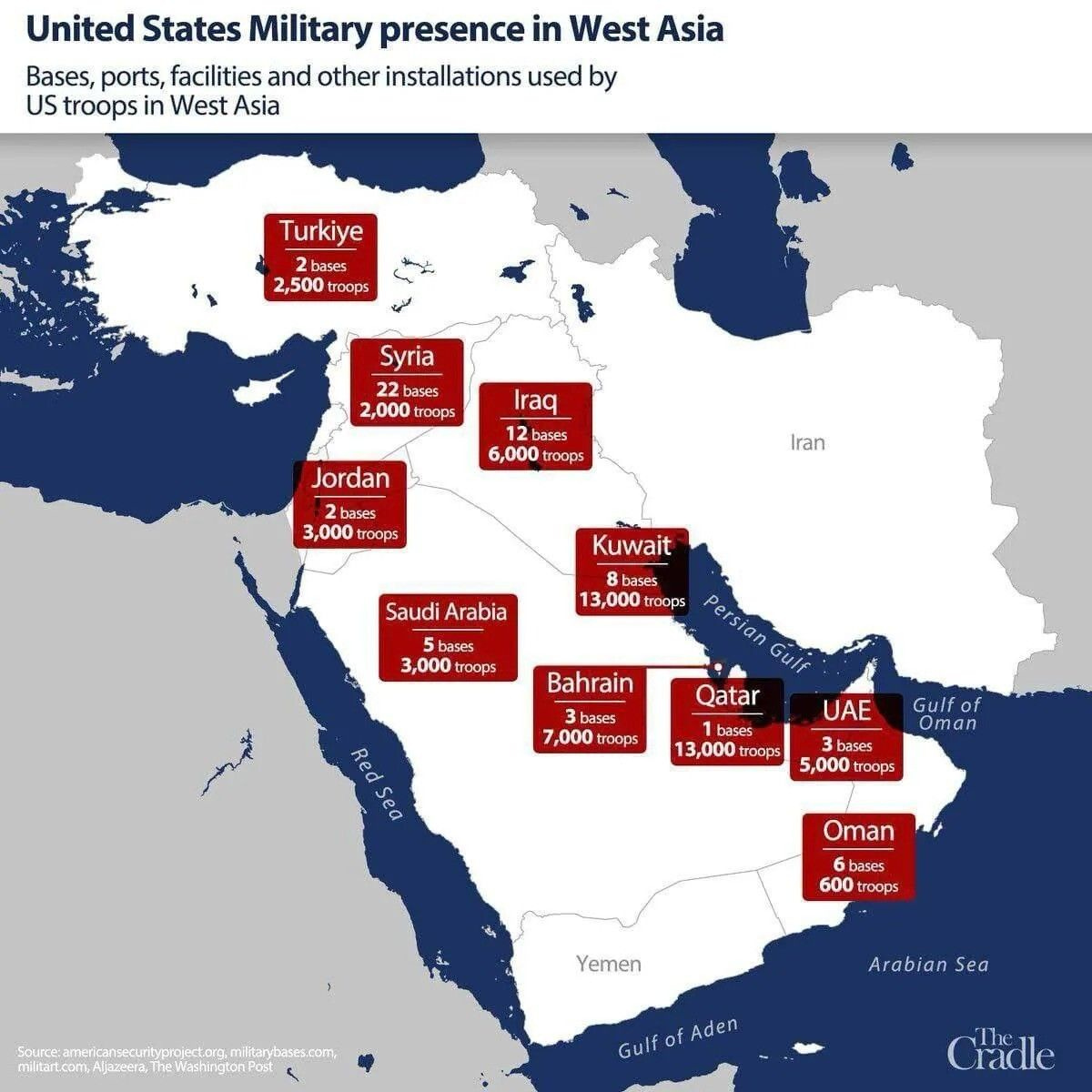
The US has 22 bases in Syria alone and another 12 in Iraq. The sheer number of targets for Iran (or any of their proxy armies) to choose from probably explains why they are so easy to hit - a lack of air defences. It’s almost impossible for even a superpower like the USA to cover this many locations with adequate air defence assets. That’s a lot of vulnerability.
The other option for the US is to respond in kind.
U.S forces hit more than 85 targets spanning seven locations, four in Syria and three in Iraq, said the military.
The strikes targeted the Quds Force - the foreign espionage and paramilitary arm of the IRGC that heavily influences its allied militia across the Middle East, from Lebanon to Iraq and Yemen to Syria.
U.S. Lieutenant General Douglas Sims, the director of the Joint Staff, said the attacks appeared to be successful, triggering large secondary explosions as the bombs hit militant weaponry, though it was not clear if any militants were killed.
Reuters
According to the Iraqi government, 16 people were killed in the US strikes with many more injured. A video of the aftermath can be seen below:

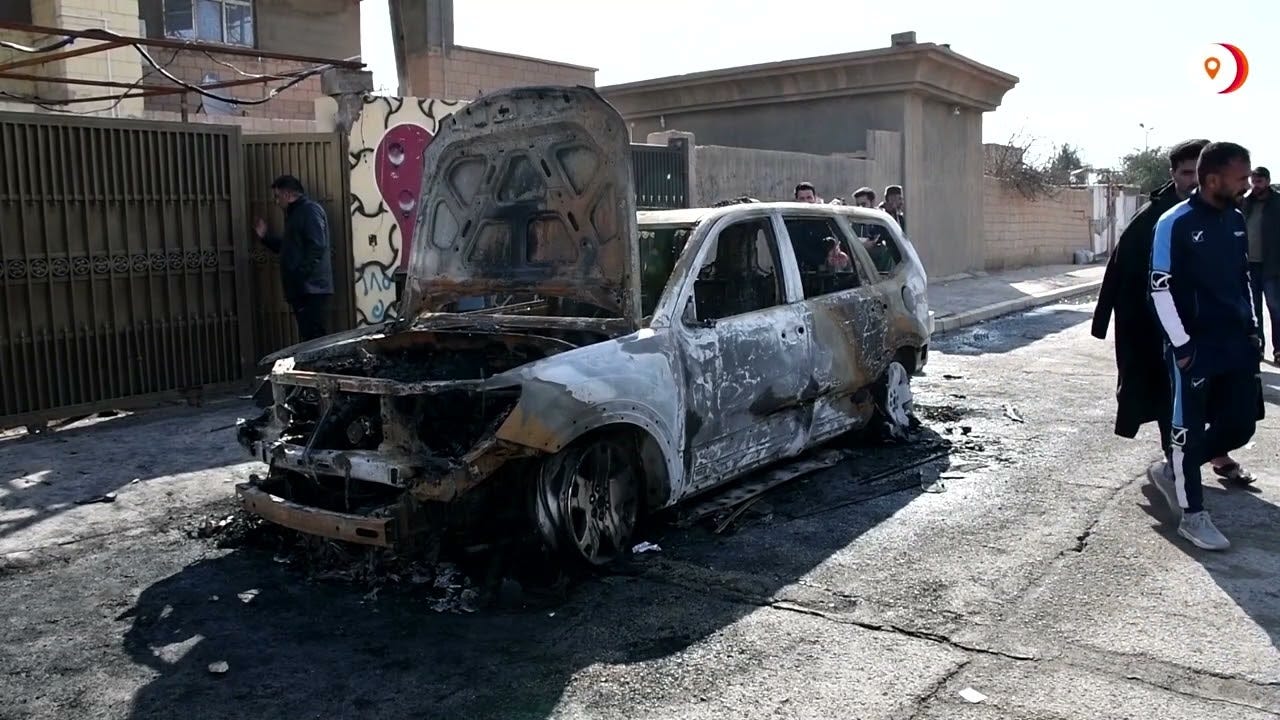
Aftermath of US strikes on pro-Iran targets in Iraq | REUTERS
According to US sources, the party actually responsible for the Tower 22 attack is called “Kataib Hezbollah”, which, again as the US claims, is funded and managed from Tehran. The Iranians deny this but, in reality, operating a string of militias as a means of projecting power throughout the region is entirely in keeping with Iran’s standard modus operandi. After all funding and managing a whole slew of shadowy guerillas is an effective means of imposing your will outside of your borders without having to fork out for the cost of aircraft carriers.
That said, there is some doubt over how much control Iran actually has over these groups and whether or not they can and do act independently. Iran may just be seeking plausible deniability but maybe even they are worried that, once they have been funded and equipped there is little that can stop them just doing their own thing.
Meanwhile, the US says that these retaliatory strikes are just the appetiser before the main course:
We intend to take additional strikes, and additional action, to continue to send a clear message that the United States will respond when our forces are attacked, when our people are killed…
White House Security Adviser, Jake Sullivan
So, the US appears to be just getting warmed up here. But, the messaging coming out of both Washington and Tehran is mixed, to say the least. Both sides are claiming to want to avoid an all-out war.
Both the U.S. and Iran say they don’t want an all-out war. But after months of attacks and spiraling tensions in the Middle East — culminating in the killing of three American soldiers in a drone strike by Tehran-backed militants — former officials and analysts from the West warn the two countries may be sleepwalking toward conflict.
NBC News
The US has made it clear that they don’t want war and, given their heavy and costly preoccupations with both Ukraine and Israel, that is as it should be. The American public seems to have very little appetite for another, potentially disastrous, war in the Middle East. Also, let’s not forget, this is an election year in the USA

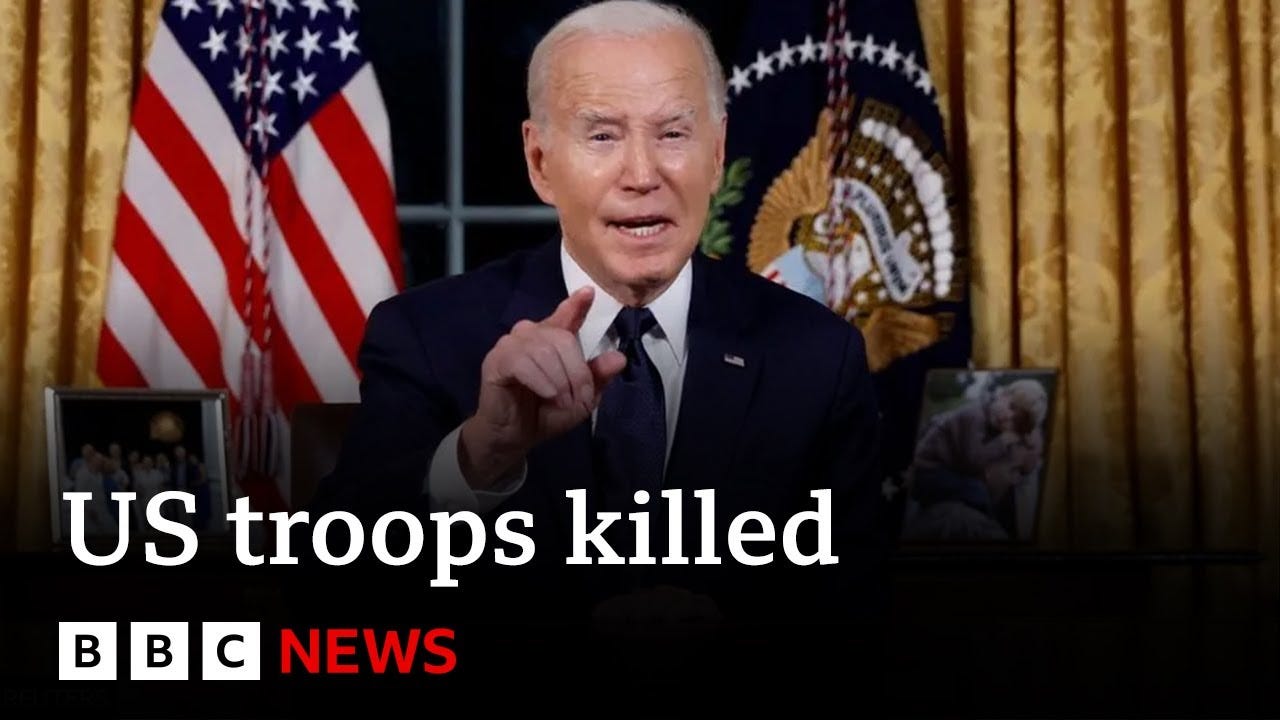
US says “we do not want war with Iran” after troops killed | BBC News
This is a sort-of conflict that stops of war - a war that nobody actually wants. Of course, a war could happen anyway, even if nobody is prepared for it or wants it. Nobody wanted a war in 1939 either.
But a total disengagement is unlikely too. What appears to be happening here is a sort of dance - a series of intentional steps, poses, positions and stances. Only none of the protagonists really want to choose their partners and hit the dance floor. These strikes and counter-strikes are really a series of messages. It’s language. “You hit us, we hit you. See how that works now?”
In the absence of a deal (that would, of necessity involve Israel), then it seems like a very strained stalemate. For now. Of course, Iran could try to rein in their goon squads (assuming they can) but that would be telegraphing a surrender, even if it really isn’t. Similarly, and following the debacle in Afghanistan, no US administration wants to be seen cutting and running again. To do so would signal, in effect, the end of the US empire.
So here we are, with moves and messages. It’s like two people sending each other increasingly spicy messages over a dating app without either of them wishing to commit to a relationship. How long can that go on? Who can say?
Ends.